The information on this website is general in nature and does not take into account your objectives, financial situation, or needs. Consider seeking personal advice from a licensed adviser before acting on any information.
Cafe contents, stock and equipment insurance can help protect the physical assets a cafe relies on, from coffee machines and fridges to furniture, inventory and some fit-out items. This guide explains what Australian cafe owners should consider when assessing cover, sums insured, spoilage risks and common policy limitations.
Cafe contents insurance is one of the practical building blocks of cafe insurance. While public liability focuses on claims from customers and other third parties, contents, stock and equipment cover is about the physical assets your cafe needs to trade each day.
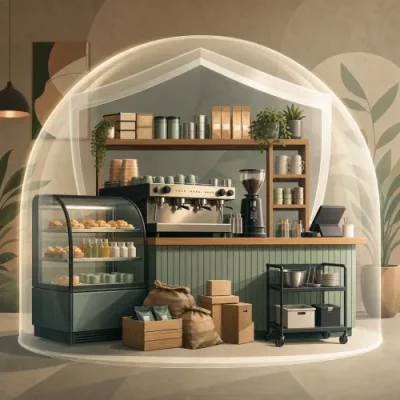
For Australian cafe owners, those assets can include coffee machines, grinders, refrigeration, display cabinets, tables, chairs, point-of-sale equipment, food stock, beverages, packaging and parts of the fit-out. The exact cover available depends on the insurer, policy wording, selected options, limits and your business circumstances.
This article explains how cafe contents, stock and equipment insurance commonly works, what to check before choosing cover, and how to reduce the risk of being underinsured.
What cafe contents insurance can cover
Business contents insurance for cafes generally refers to cover for physical items owned by the business and kept at the insured premises. Depending on the policy, it may respond to insured events such as fire, storm, theft, malicious damage, escape of water or other listed events.
For a cafe, contents may include:
- tables, chairs, stools and indoor furniture;
- benches, shelving, display units and counters;
- point-of-sale hardware, computers and office equipment;
- small appliances and kitchen tools;
- signage and some removable fit-out items;
- cleaning equipment, packaging and operational supplies.
Policies vary in how they define contents, fixtures, fittings, stock and equipment. Items that are permanently attached to the building may be treated differently from removable business contents, especially if you lease your premises. Cafe owners should check whether the landlord, tenant or another party is responsible for insuring particular parts of the fit-out.
How stock cover works for cafes
Cafe stock insurance is intended to help protect inventory held for sale or use in the business. This may include food ingredients, coffee beans, tea, milk, beverages, packaged goods, takeaway containers and other consumables.
Stock levels can change significantly across the week or season. A cafe may hold more stock before weekends, holidays, catering orders or special events. If your policy uses a fixed stock limit, that limit needs to be realistic for your peak exposure, not just your average day.
When reviewing stock cover, consider:
- the highest typical value of stock held on site;
- whether refrigerated and frozen goods are included;
- whether alcohol or specialty products need separate disclosure;
- whether stock kept off-site, in transit or at events is covered;
- how the policy values damaged stock at claim time.
Insurers may apply conditions around storage, security, refrigeration, maintenance and evidence of loss. Keep invoices, inventory records and supplier statements where possible, as these can help support a claim.
Cafe equipment insurance: coffee machines, grinders and refrigeration
Cafe equipment insurance is especially important because many cafes rely on a small number of high-value items to operate. A commercial espresso machine, grinder, dishwasher, combi oven, refrigerator or display cabinet can be expensive to repair or replace, and the disruption may affect trade.
Some equipment may be covered under business contents for insured events such as fire or theft. However, accidental breakdown, mechanical failure, electrical failure or deterioration may require a specific equipment breakdown or machinery breakdown section, if available. Not every policy automatically includes these risks.
Coffee machine insurance considerations
Coffee machine insurance is not always a separate product. It is often considered within business contents, equipment breakdown or a broader business insurance package. When checking cover for a commercial coffee machine, ask whether the policy deals with:
- damage from insured events such as fire, storm or theft;
- accidental damage, if selected or available;
- mechanical or electrical breakdown;
- leased, financed or rented coffee machines;
- temporary replacement equipment or hire costs;
- servicing, maintenance and wear-and-tear exclusions.
If the machine is leased or financed, the agreement may require particular insurance arrangements. The financier, lessor or supplier may also have an interest in the equipment. Cafe owners should review contract obligations and make sure the policy details align with who owns the machine.
Refrigeration and display equipment
Refrigerators, freezers and refrigerated display cabinets create two different insurance questions. First, is the equipment itself covered if it is damaged? Second, is the stock inside covered if it spoils?
These are not always treated the same way. A policy may cover equipment damage but exclude spoilage, or may cover spoilage only in limited circumstances. The wording matters.
Cafe stock spoilage and deterioration
Cafe stock spoilage can be a major issue where a power outage, equipment failure or refrigeration problem causes food or beverages to become unusable. Spoilage cover may be included, optional or excluded depending on the insurer and policy type.
Important questions include:
- Does the policy cover spoilage caused by refrigeration breakdown?
- Does it cover power failure, and only if the outage lasts for a minimum period?
- Are there limits for chilled, frozen or perishable stock?
- Are there maintenance requirements for refrigeration equipment?
- Does the policy require temperature records or other evidence?
- Are losses from operator error, poor storage or gradual deterioration excluded?
Food safety rules may require disposal of stock even if it appears visually acceptable. Insurance cover will still depend on the policy wording and evidence available. Keeping maintenance records, stock invoices and temperature logs can make it easier to demonstrate what happened.
Contents, stock and equipment are not the same thing
Although the terms are sometimes grouped together, they can be treated differently in a business insurance policy. The distinction matters because each category may have separate limits, exclusions and valuation methods.
| Category |
Typical cafe examples |
Key issues to check |
| Contents |
Furniture, shelving, counters, office equipment, removable fit-out items |
Whether fixtures and tenant improvements are included or need separate cover |
| Stock |
Coffee beans, milk, ingredients, beverages, packaged goods, takeaway supplies |
Peak stock value, spoilage limits and whether off-site stock is covered |
| Equipment |
Espresso machine, grinders, ovens, dishwashers, fridges, display cabinets |
Breakdown cover, leased equipment, maintenance conditions and replacement costs |
| Portable items |
Laptops, tablets, mobile payment devices, catering equipment |
Whether items are covered away from the premises or need portable property cover |
How sums insured are commonly assessed
The sum insured is the amount of cover selected for a category of property. If it is too low, the cafe may not have enough cover to replace damaged assets after a major event. Some policies may also include underinsurance or average clauses, which can reduce a claim payment if the insured value is materially below the actual value at risk.
When estimating sums insured, cafe owners should consider replacement values rather than relying only on written-down accounting values. A second-hand coffee machine value in your books may not reflect the cost of sourcing, installing and commissioning a replacement machine after a loss.
A practical review might include:
- a room-by-room asset list;
- serial numbers and purchase dates for major equipment;
- supplier quotes for replacement equipment;
- fit-out invoices and lease documents;
- an estimate of peak stock levels;
- costs for delivery, installation and professional setup;
- GST treatment, depending on how the policy responds and your business arrangements.
If your cafe has renovated, added outdoor seating, upgraded refrigeration or bought new equipment, update your insurer or broker rather than waiting until renewal. Cover that was suitable when the cafe opened may no longer reflect the current asset base.
Common exclusions and limitations to look for
Insurance policies are not designed to cover every kind of loss. Exclusions, conditions and sub-limits can significantly affect how useful contents, stock and equipment cover is for a cafe.
Common areas to review include:
- Wear and tear: gradual deterioration, corrosion, rust, vermin damage or poor maintenance may be excluded.
- Mechanical breakdown: ordinary business contents cover may not include internal breakdown unless a machinery or equipment breakdown section applies.
- Power failure: spoilage from power failure may be limited, conditional or excluded.
- Unattended theft: security requirements may apply, particularly outside business hours.
- Portable equipment: tablets, laptops and catering equipment may not be covered away from the premises unless specified.
- Flood or storm definitions: water-related cover can vary, and some events may need to be selected separately.
- Glass and signage: shopfront glass, illuminated signage and outdoor fixtures may have separate limits or cover sections.
- Leased or financed assets: ownership and insurable interest should be clearly disclosed.
Reading the Product Disclosure Statement and policy schedule is important. If a term is unclear, ask the insurer or a suitably qualified insurance professional to explain how it may apply to your cafe.
How contents cover connects with business interruption insurance
Replacing a damaged coffee machine or repairing a kitchen may be only part of the financial impact. If the cafe cannot trade normally while repairs are underway, the business may also lose income.
This is where contents and equipment cover can connect with business interruption insurance. Property cover may help with the damaged asset itself, while business interruption cover may respond to loss of income or increased costs of working after an insured event, subject to policy terms.
For example, if a covered fire damages key equipment and the cafe must close temporarily, business interruption cover may be relevant. If you want to understand that separate cover type in more detail, see our guide to business interruption insurance for cafes.
Questions to ask before choosing cover
Before selecting cafe contents insurance, it can help to work through a structured checklist. The aim is not simply to choose a policy, but to understand how your cafe's real assets and operating risks match the cover being considered.
- What are the replacement costs for my major equipment and fit-out?
- Are my coffee machine, grinders and refrigeration equipment owned, leased or financed?
- Does the policy cover equipment breakdown, or only damage from listed insured events?
- How much stock do I hold at peak times?
- Is stock spoilage included, optional or excluded?
- Are laptops, tablets and payment devices covered away from the premises?
- Does the policy cover outdoor furniture, umbrellas or signage?
- What excesses, sub-limits and waiting periods apply?
- What security, maintenance or record-keeping conditions must I meet?
- How does the insurer assess replacement value at claim time?
Where the sums insured are complex or the cafe has a valuable fit-out, it may be worth seeking help from an insurance broker or adviser. You can use the brokers page as a starting point for finding professional support, noting that advice, availability and policy outcomes depend on individual circumstances and provider criteria.
Practical steps to reduce asset-related risk
Insurance is only one part of protecting cafe assets. Risk management can reduce the chance of a loss and may also make claims easier to support if something happens.
Practical steps include:
- keeping an up-to-date asset register with photos and serial numbers;
- saving invoices, lease agreements and equipment finance documents;
- servicing coffee machines, grinders and refrigeration equipment regularly;
- using temperature logs for fridges and freezers;
- reviewing stock levels before busy periods;
- checking locks, alarms and after-hours security procedures;
- training staff on shutdown routines and incident reporting;
- reviewing cover after renovations, equipment upgrades or menu changes.
Good records do not guarantee a claim will be accepted, but they can help establish what was owned, its value and the circumstances of the loss.
Key takeaways for cafe owners
Cafe contents, stock and equipment insurance can help protect the assets that keep a cafe operating, but the detail matters. Coffee machines, refrigeration, stock spoilage, portable devices and leased equipment may all be treated differently depending on the policy.
Before choosing or renewing cover, Australian cafe owners should review asset values, peak stock levels, fit-out responsibilities, equipment ownership and policy exclusions. Cover should be assessed against the cafe's actual operations rather than a generic estimate.
This information is general in nature and does not take into account your objectives, financial situation or needs. Consider the relevant policy documents and seek professional guidance where appropriate before making insurance decisions.
Published: Thursday, 20th Aug 2026
Author: Paige Estritori



No comments yet. Be the first to share your thoughts.