The information on this website is general in nature and does not take into account your objectives, financial situation, or needs. Consider seeking personal advice from a licensed adviser before acting on any information.
Cafe owners often use cars, vans or utes for deliveries, catering, supplier pickups and other business tasks. This guide explains when business vehicle insurance may be relevant, what to disclose to insurers and how vehicle cover can fit into a broader cafe insurance plan.
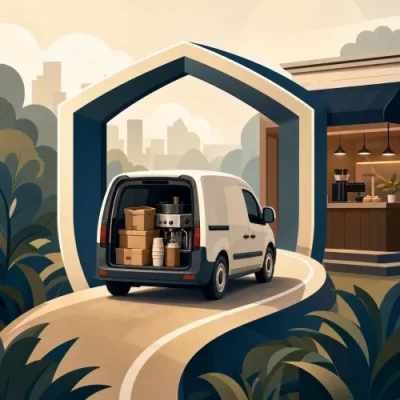
Many cafe owners rely on a vehicle long before they think of it as part of the business. A car might be used for early-morning supplier pickups, a van might carry catering equipment, or a staff member might deliver orders during busy periods. Once a vehicle is used for business tasks, private motor insurance may not respond in the way a cafe owner expects.
Business vehicle insurance for cafes is designed to address vehicle-related risks that can arise when a car, van, ute or other vehicle is used for cafe operations. The right approach depends on who owns the vehicle, how it is used, who drives it, what is carried and the insurer's policy terms.
This article provides general information for Australian cafe owners. It does not replace personalised advice, and policy availability, pricing and claim outcomes depend on individual circumstances and insurer criteria.
When business vehicle insurance for cafes may be relevant
A cafe may need to consider business vehicle cover whenever a vehicle is used for more than ordinary private use or commuting. The occasional personal drive is different from using a vehicle as part of regular trading activity.
Common examples include:
- Delivering food, coffee or retail products to customers, offices, events or wholesale clients.
- Transporting catering equipment, food warmers, coffee urns, portable displays, trestle tables or branded materials.
- Supplier pickups from wholesalers, bakeries, markets, warehouses or local producers.
- Moving stock between locations, such as between a cafe, commercial kitchen, storage unit or market stall.
- Using a van, ute or car branded with the cafe's name or fitted out for commercial purposes.
- Allowing employees or contractors to drive for work-related tasks.
- Operating mobile cafe or event services, depending on the vehicle type and the policy structure required.
If vehicle use has become part of the way your cafe earns revenue or keeps operating, it is worth checking whether a private policy is enough or whether commercial vehicle insurance for a cafe is more appropriate.
Private car insurance versus business vehicle cover
Private car insurance is generally designed around personal use. Some policies may allow limited business use if it has been disclosed and accepted by the insurer, but others may exclude or restrict cover for commercial activity. The details matter.
Business vehicle cover, sometimes described as commercial motor insurance, business use car insurance or cafe van insurance, is generally intended for vehicles used in business operations. Depending on the policy, it may cover events such as accidental damage, theft, fire, third-party property damage or other insured events involving a business vehicle.
In Australia, compulsory third party insurance, often included with vehicle registration arrangements depending on the state or territory, generally relates to injury liability from motor accidents. It does not replace cover for damage to your vehicle, damage to other vehicles or property, goods being carried, business interruption or other cafe-related risks.
| Vehicle use |
Why it matters for insurance |
| Personal driving and commuting only |
A private policy may be sufficient, subject to the insurer's terms. |
| Occasional supplier pickups |
The insurer may need to know the vehicle is used for business errands. |
| Regular deliveries or catering runs |
Commercial or business use cover may be more relevant due to increased exposure. |
| Staff drivers |
The policy may need to account for nominated drivers, age restrictions and employee use. |
| Modified or fitted-out vehicle |
Special equipment, refrigeration, shelving or signage may need specific disclosure. |
Delivery and catering risks cafe owners should think about
Cafe delivery vehicle insurance is not only about the vehicle itself. A delivery or catering trip can involve several overlapping risks, and different types of insurance may respond to different parts of an incident.
Vehicle damage and third-party property damage
If your cafe van is involved in an accident while delivering catering, the motor policy terms determine whether damage to your vehicle or another person's property is covered. Insurers may consider how the vehicle was being used at the time, who was driving and whether the use had been disclosed.
Goods, stock and equipment in transit
Motor insurance may not automatically cover coffee beans, prepared food, catering trays, display equipment or portable appliances carried in the vehicle. Some policies include limited cover for tools or goods in transit, while others require separate cover or an extension. Cafe owners should avoid assuming that stock in the boot or van is automatically insured.
Food safety and customer claims
A vehicle accident is different from a food-related claim. If a customer alleges illness or injury linked to food supplied by the cafe, that may involve product liability or public liability considerations rather than motor cover. Vehicle insurance does not usually replace broader cafe insurance needs.
Lost trading time
If a delivery van is damaged or stolen, the cafe may face extra hire costs, missed catering jobs or operational disruption. Whether these costs are covered depends on the policy. Business interruption cover, hire vehicle options or additional benefits may need to be considered separately.
Questions to ask before choosing cafe van insurance or business use car cover
Before arranging or renewing vehicle cover, it can help to document exactly how the vehicle is used. This gives you a clearer basis for comparing policies and discussing your needs with an insurer or broker.
- Is the vehicle owned by the cafe, the owner personally, an employee or another entity?
- Is it used for private driving, business driving or both?
- How often are deliveries, catering runs or supplier pickups made?
- Are goods, stock, cash, equipment or tools regularly carried?
- Are any fittings, refrigeration units, shelving, wraps or signage installed?
- Who drives the vehicle, and are there age, licence or experience considerations?
- Is the vehicle parked on-site, at home, on the street or in a secure location?
- Does the cafe use third-party delivery platforms, its own drivers or both?
- What excesses, exclusions and claim conditions apply?
These questions are also useful when reviewing your broader cover. The general guide Understanding Cafe Insurance: What Every Owner Needs to Know explains how different policy types can sit together as part of a cafe insurance program.
Staff drivers and employee vehicle use
Staff vehicle use can add complexity. A cafe owner might ask an employee to collect milk, deliver a lunch order or take equipment to an event. If the employee uses a business-owned vehicle, the policy may need to include employee drivers and any applicable driver conditions.
If an employee uses their own car for cafe tasks, the position can be more complicated. Their personal motor insurer may need to know about the business use, and the cafe owner should consider what happens if the employee has an accident while performing work duties. Reimbursement of fuel or kilometres does not automatically mean the vehicle is properly insured for business use.
Where staff drivers, mixed private and business use, or delivery arrangements are involved, it may be worth discussing the situation with a licensed insurance professional. You can use the Brokers page as a starting point if you want help understanding how business use, drivers and policy conditions may be assessed.
How vehicle cover fits into broader cafe risk management
Business vehicle insurance is usually only one part of a cafe's risk picture. A cafe owner may also need to think about public liability, product liability, contents, stock, equipment breakdown, business interruption, workers compensation and personal income protection, depending on the business structure and activities.
For example, a catering order could involve several separate exposures: the van on the road, stock being transported, employees loading equipment, food being served at a client's premises and the financial impact if the job cannot go ahead. One policy is unlikely to address every possible issue.
A practical approach is to include vehicle use in your overall financial risk review. The article How to Create a Financial Risk Management Plan for Your Cafe outlines a broader process for identifying and prioritising risks across the business.
Common mistakes to avoid
Vehicle insurance issues often arise because the business use seemed minor or informal at first. Cafe owners can reduce the chance of surprises by avoiding these common mistakes:
- Assuming private insurance covers business errands. Even occasional business use may need to be disclosed.
- Not updating the insurer when the cafe starts deliveries. A change in vehicle use can affect the policy.
- Forgetting about goods and equipment in the vehicle. Motor cover and contents cover may have different limits and exclusions.
- Letting anyone drive without checking policy conditions. Age limits, nominated drivers and licence requirements can matter.
- Ignoring modifications or branding. Fit-outs, refrigeration and wraps may affect the vehicle's value and risk profile.
- Choosing on premium alone. Excesses, exclusions, claim limits and replacement vehicle options may be just as important.
Reviewing your cover as your cafe grows
A vehicle that starts as a personal runabout can become a core business asset as the cafe grows. New delivery channels, catering contracts, wholesale supply, events or a second location may change the level of vehicle risk.
It is sensible to review vehicle cover when:
- you buy, lease or finance a vehicle for the cafe;
- you begin offering deliveries or catering;
- staff start driving for work tasks;
- you add equipment, refrigeration, signage or shelving;
- the value of stock or equipment carried increases;
- you change business structure, trading locations or operating hours; or
- your policy is due for renewal.
The goal is not to buy every possible policy, but to understand the risks clearly and decide what cover is appropriate for your circumstances. Insurers assess vehicle use, pricing and eligibility differently, so clear disclosure and careful policy review are important.
Key takeaway
A cafe may need business vehicle insurance when a car, van or ute is used for deliveries, catering, supplier pickups, staff errands or other business operations. The more regularly the vehicle supports trading activity, the more important it becomes to check whether private motor insurance is adequate.
Before relying on an existing policy, cafe owners should review how the vehicle is used, who drives it, what is carried and what the policy excludes. Business vehicle cover can be an important part of a broader cafe insurance and risk management plan, but the right structure depends on the cafe's individual operations and insurer requirements.
Published: Thursday, 20th Aug 2026
Author: Paige Estritori



No comments yet. Be the first to share your thoughts.